Choose a co-op game that fits the night

A practical guide · compare before you commit

The right co-op game is a good match for the people, the available time and the kind of interaction your group wants. Use this guide to turn a broad wishlist into a short, playable choice.

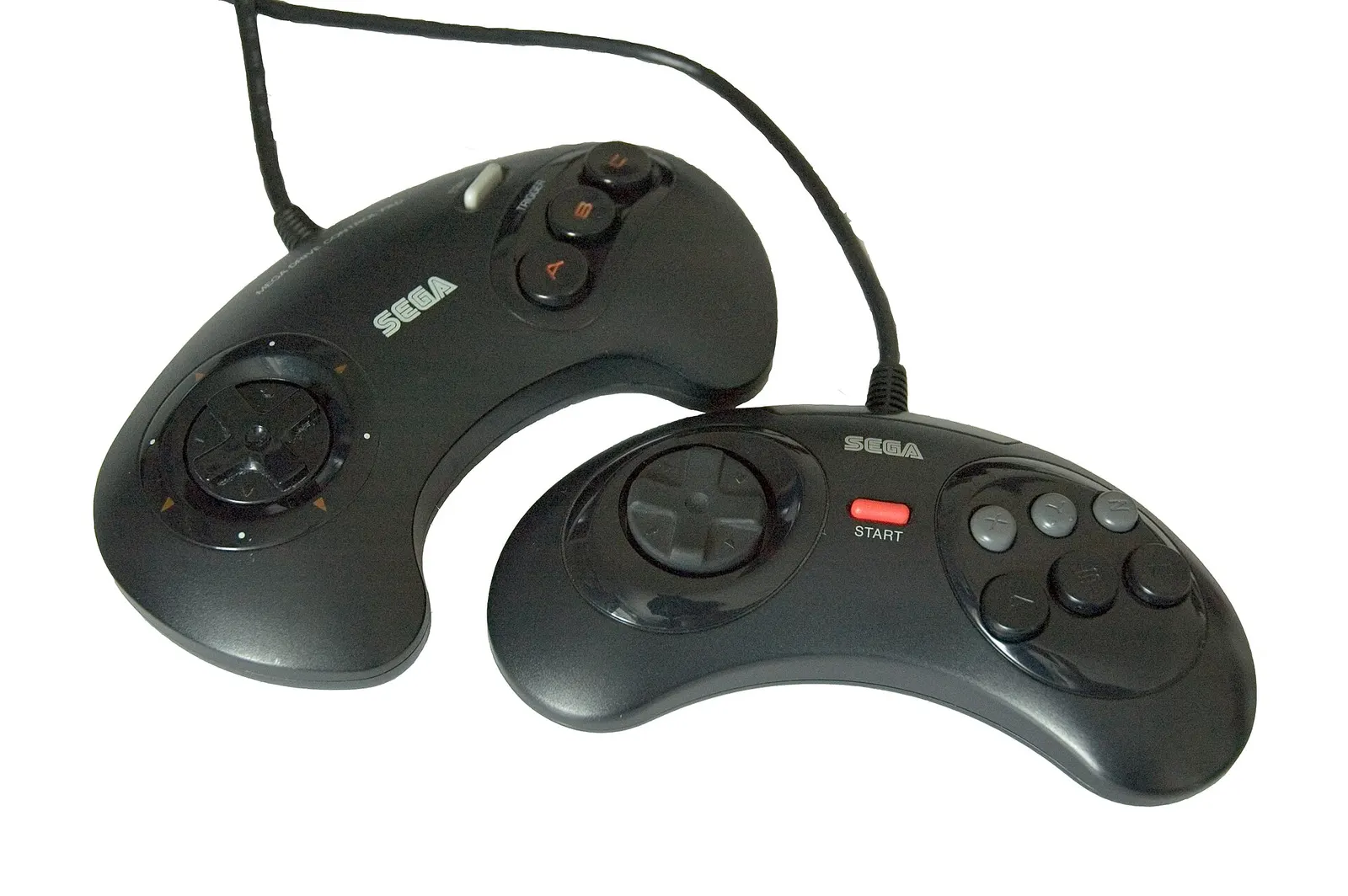
Several controllers arranged for friends to play a cooperative game together
Start with the shape of the session, not the size of the backlog.
The four-check shortlist

Work through the details in order

Ask these questions before anyone downloads, buys or schedules a game. If a title fails an essential check, move on without turning the decision into a debate.

  1. Count the actual players. Separate the advertised maximum from the comfortable group size. Check whether everyone plays at once, whether extra players can join late, and whether the game supports the platform combination your friends use.
  2. Match the session to the clock. For a short drop-in, look for quick rounds, clear stopping points and minimal setup. For a longer evening, a shared campaign or persistent progress can reward returning to the same world.
  3. Name the interaction you want. Coordination-heavy games ask players to communicate and divide tasks. Puzzle games may reward patient discussion, while party-style formats keep the focus on quick turns, surprises and rematches. Choose the social rhythm, not just the genre label.
  4. Review access and comfort features. Look for options such as subtitle controls, text size, colour settings, remappable controls, camera adjustments, difficulty choices, pause behaviour and input support. Confirm the details on the store page or the game's own documentation when a feature matters to someone in your group.
Format by format

Compare the shape of a game night

Quick drop-in

Best for: mixed arrival times or an evening with a firm end point.

Look for: 30–60 minute sessions, simple onboarding, independent rounds and easy re-entry.

Check first: whether progress resets between rounds and whether new players can learn without a long tutorial.

Shared campaign

Best for: a regular group that enjoys returning to one world over several nights.

Look for: saved progress, clear role choices and a reliable way to continue together.

Check first: whether the host must be present, how missed sessions work and whether the learning curve suits the whole group.

Friendly chaos

Best for: groups that want fast reactions, playful competition or frequent rematches.

Look for: short turns, readable rules, flexible round settings and room for spectators or late joiners.

Check first: whether competition stays enjoyable for your group and whether losing players have something useful to do.

The five-minute decision

Turn preferences into a confident pick

Have each person name one must-have and one deal-breaker. Then compare the remaining games against the same simple checklist:

  • Does the player count fit tonight's group?
  • Can the session end at a natural stopping point?
  • Does the interaction style sound fun for everyone?
  • Are the important accessibility and control options available?
  • Can the group explain how to start in one or two sentences?

If two games still seem equal, choose the one with the lower setup cost. Saving the more involved option for a night with extra time keeps discovery playful instead of making the first session feel like homework.

Friends gathered in a comfortable room for a relaxed game night
A good shortlist leaves more time for the group to play.